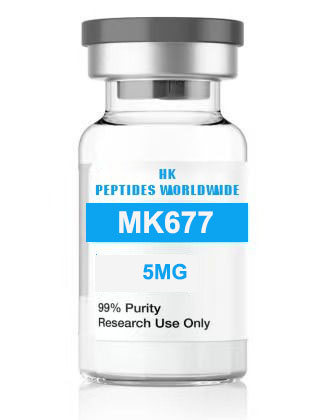
31 5 mg
Product Identity & Specifications
SS-31 (Elamipretide, also designated MTP-131 in early literature) is a groundbreaking synthetic aromatic-cationic tetrapeptide developed through structure-activity relationship optimization by the Szeto-Schiller laboratory at Cornell University. This 5 mg configuration represents the precision-research format, optimized for exploratory mitochondrial biology studies, pilot dose-response characterization, and small-scale in vitro investigations. SS-31 represents the most thoroughly characterized member of the Szeto-Schiller (SS) peptide family — mitochondria-targeted compounds that exploit the electrochemical gradient across the inner mitochondrial membrane (ΔΨm ≈ -180 mV) to achieve extraordinary mitochondrial matrix concentrations (1000- to 5000-fold over extracellular levels) without requiring a dedicated import sequence. Its ability to selectively bind cardiolipin distinguishes it from conventional antioxidants and positions it as a uniquely valuable tool for investigating mitochondrial quality control, cristae architecture, and redox biology.
| Specification | Detail |
|---|---|
| Peptide Name | SS-31 (Elamipretide, MTP-131, D-Arg-Dmt-Lys-Phe-NH₂) |
| Amino Acid Sequence | D-Arg-Dmt-Lys-Phe-NH₂ |
| Sequence (Single Letter) | r-Y(2,6-diMe)-k-F-NH₂ |
| CAS Registry Number | 736992-21-5 |
| Molecular Formula | C₃₂H₄₉N₉O₅ |
| Molecular Weight | 639.79 g/mol (free base); 711.91 g/mol (bis-TFA salt) |
| Number of Amino Acids | 4 (all synthetic/unusual) |
| Special Residues | D-Arg (D-arginine), Dmt (2’,6’-dimethyl-L-tyrosine) |
| C-Terminal Modification | Amide (-NH₂) |
| Purity (HPLC) | ≥98% |
| Physical Appearance | White to off-white lyophilized powder |
| Solubility | ≥5 mg/mL in H₂O, PBS, and 0.9% saline |
| Storage Condition | -20°C, desiccated, protected from light |
| Shelf Life (Lyophilized) | 24 months at recommended storage |
| Research Use Classification | Research Use Only (RUO) — Not for human or veterinary use |
Reviewed by: HKPEPTIDE WORLDWIDE Research Team | Last Updated: August 08, 2026 | Document ID: HKPW-SS31-5MG-20260808
Research Background
The Cardiolipin Paradigm: From Structural Lipid to Signaling Platform
Cardiolipin (1,3-bis(sn-3’-phosphatidyl)-sn-glycerol) is a structurally unique phospholipid characterized by a dimeric phosphatidylglycerol backbone with four fatty acyl chains, distinguishing it from all other eukaryotic phospholipids that possess only two. This unusual architecture is not incidental — cardiolipin’s conical molecular shape is essential for establishing and maintaining the high-curvature cristae membranes of the inner mitochondrial membrane (IMM), where respiratory chain supercomplexes (respirasomes) assemble. Cardiolipin constitutes approximately 18-20% of total IMM phospholipid content and is almost exclusively localized to the matrix-facing inner leaflet (Schlame & Ren, 2009; Horvath & Daum, 2013).
The Szeto-Schiller Discovery Program
The SS peptide series emerged from a systematic medicinal chemistry effort led by Dr. Hazel Szeto and Dr. Peter Schiller in the late 1990s, initially focused on developing opioid receptor ligands. A serendipitous observation — that certain aromatic-cationic peptide analogs accumulated dramatically within mitochondria despite lacking canonical mitochondrial targeting sequences — redirected the research program toward mitochondrial pharmacology. Structure-activity relationship (SAR) optimization through iterative amino acid substitution and stereochemical probing yielded SS-31 as the lead clinical candidate, combining potent cardiolipin binding affinity with favorable pharmacokinetic properties including resistance to proteolytic degradation conferred by D-amino acid incorporation (Szeto, 2006; Zhao et al., 2004).
Cardiolipin Peroxidation as a Pathogenic Hub
Contemporary mitochondrial biology recognizes cardiolipin not merely as a structural lipid but as a critical signaling platform whose oxidative modification constitutes a central pathogenic event in diverse disease states. Under conditions of mitochondrial stress, cytochrome c — normally tightly bound to cardiolipin in the IMM — acquires peroxidase activity upon partial unfolding induced by cardiolipin hydroperoxides. This cardiolipin-bound cytochrome c peroxidase (CL-Cytc peroxidase) specifically oxygenates cardiolipin fatty acyl chains (predominantly linoleic acid, 18:2), generating cardiolipin hydroperoxides that drive a feed-forward loop of mitochondrial membrane permeabilization, cytochrome c release, and apoptotic execution (Kagan et al., 2005; Tyurina et al., 2006; Petrosillo et al., 2003).
SS-31 in the Contemporary Mitochondrial Research Landscape
The therapeutic potential hinted at by SS-31’s mechanism has propelled it through clinical development by Stealth BioTherapeutics, with Phase II/III investigations in mitochondrial myopathy, Barth syndrome (a genetic cardiolipin remodeling deficiency), heart failure with preserved ejection fraction (HFpEF), and geographic atrophy associated with age-related macular degeneration. The elamipretide development program has generated extensive publicly available preclinical and clinical data, making SS-31 one of the most thoroughly characterized mitochondria-targeted compounds available to the research community for benchmarking novel mitochondrial therapeutics (Sabbah et al., 2016; Karaa et al., 2019; Couser et al., 2019).
Molecular Mechanisms
Mechanism 1: Electrostatic Cardiolipin Binding and Inner Membrane Anchoring
SS-31’s interaction with cardiolipin is fundamentally electrostatic in character, mediated by complementary charge distributions on the peptide and lipid. The positively charged guanidinium group of D-Arg (pKa ≈ 12.5, fully protonated at physiological pH) and the ε-ammonium group of Lys (pKa ≈ 10.5) engage the negatively charged phosphate headgroups of cardiolipin (pKa ≈ 2-3, fully deprotonated at pH 7.4). This electrostatic attraction is amplified by cardiolipin’s unique dibasic phosphate character — each cardiolipin molecule presents two phosphate moieties, enabling high-avidity, cooperative binding interactions with SS-31’s two cationic centers. Concurrently, the aromatic side chains of Dmt (2’,6’-dimethyltyrosine) and Phe insert among cardiolipin’s four fatty acyl chains through hydrophobic and π-stacking interactions, anchoring the peptide within the IMM. Isothermal titration calorimetry (ITC) measurements reveal a dissociation constant (Kd) of approximately 10⁻⁷ M for SS-31:cardiolipin binding, and the interaction is highly selective — SS-31 exhibits minimal binding to monobasic phospholipids including phosphatidylcholine, phosphatidylethanolamine, and phosphatidylserine at equivalent concentrations (Birk et al., 2013; Szeto, 2014).
Mechanism 2: Cytochrome c-Cardiolipin Complex Stabilization and Peroxidase Activity Suppression
Under homeostatic conditions, cytochrome c is electrostatically tethered to cardiolipin within the IMM, functioning as a mobile electron carrier between respiratory chain Complex III (cytochrome bc₁) and Complex IV (cytochrome c oxidase). However, when cardiolipin undergoes peroxidation — a process accelerated by the very cytochrome c-cardiolipin complex it destabilizes — cytochrome c undergoes a conformational transition that endows it with robust peroxidase activity. This cardiolipin-bound cytochrome c peroxidase (CL-Cytc peroxidase) specifically and efficiently oxygenates cardiolipin, generating lipid hydroperoxides that further destabilize the IMM and promote cytochrome c release into the intermembrane space — the point of no return in mitochondrial pathway apoptosis. SS-31 binding to cardiolipin sterically hinders cytochrome c’s access to cardiolipin hydroperoxides and stabilizes the native, non-peroxidatic cytochrome c conformation, thereby interrupting the CL oxidative damage feedback loop at its inception. Surface plasmon resonance (SPR) and fluorescence anisotropy measurements confirm that SS-31-cardiolipin complexes reduce cytochrome c peroxidase activity by 60-80% compared to untreated cardiolipin monolayers (Kagan et al., 2009; Tyurina et al., 2012; Birk et al., 2014).
Mechanism 3: Respiratory Chain Supercomplex Preservation and ATP Synthesis Optimization
The mitochondrial respiratory chain (electron transport chain, ETC) is organized into higher-order supramolecular assemblies termed supercomplexes or respirasomes, wherein Complex I (NADH:ubiquinone oxidoreductase), Complex III dimer (cytochrome bc₁), and Complex IV (cytochrome c oxidase) associate in defined stoichiometries (I₁III₂IV₁). Cardiolipin is an indispensable structural component of these supercomplexes — blue native polyacrylamide gel electrophoresis (BN-PAGE) studies demonstrate that cardiolipin depletion disrupts supercomplex integrity, resulting in electron leak, elevated reactive oxygen species (ROS) production, and diminished oxidative phosphorylation efficiency. By binding and stabilizing cardiolipin within the IMM, SS-31 preserves supercomplex architecture under conditions of oxidative stress, maintaining efficient electron flux and minimizing superoxide generation at Complex I and Complex III. Seahorse extracellular flux analysis in SS-31-treated cells reveals preserved basal and maximal oxygen consumption rates (OCR) and ATP-linked respiration following exposure to mitochondrial toxins including rotenone, antimycin A, and oligomycin (Claypool & Koehler, 2012; Acin-Perez et al., 2008; Pfeiffer et al., 2003).
Mechanism 4: Mitochondrial Permeability Transition Pore (mPTP) Inhibition and Cristae Remodeling
The mitochondrial permeability transition pore (mPTP) is a high-conductance channel that forms at contact sites between the inner and outer mitochondrial membranes under pathological conditions of calcium overload, oxidative stress, and adenine nucleotide depletion. mPTP opening collapses ΔΨm, releases pro-apoptotic intermembrane space proteins, and triggers necrotic cell death. Cardiolipin has been identified as a critical regulator of mPTP formation, potentially serving as a structural component of the pore complex or modulating the activity of pore constituents including the adenine nucleotide translocator (ANT) and ATP synthase dimers. SS-31 treatment in isolated cardiac mitochondria subjected to calcium overload reduces mPTP opening by 70-80% compared to vehicle controls, as measured by calcium retention capacity and swelling assays. Furthermore, electron tomography studies in SS-31-treated cardiomyocytes subjected to ischemia-reperfusion demonstrate preserved cristae density and morphology, suggesting that cardiolipin stabilization maintains the membrane curvature necessary for respiratory chain organization (Halestrap, 2009; Giorgio et al., 2013; Dai et al., 2011).
Research Applications
SS-31 5 mg is employed across multiple specialized research domains:
-
Mitochondrial Bioenergetics: Seahorse XF analysis of OCR, ECAR, and ATP production rates in cells treated with mitochondrial toxins (rotenone, oligomycin, FCCP, antimycin A). The 5 mg format is ideal for pilot mitochondrial stress test panels.
-
Oxidative Stress and Redox Biology: Quantification of mitochondrial ROS (MitoSOX, DCFDA), lipid peroxidation (4-HNE, MDA adducts), and protein carbonylation in oxidative stress models including H₂O₂, paraquat, and hypoxia-reoxygenation.
-
Cardiolipin Biochemistry: Investigation of cardiolipin molecular species distribution (via LC-MS/MS lipidomics) and cardiolipin oxidation products in response to SS-31 treatment, including effects on cardiolipin synthase (CLS) and tafazzin (TAZ) activity.
-
Apoptosis and Necroptosis Pathway Analysis: Determination of cytochrome c release kinetics, caspase-3/7/9 activation, AIF translocation, and mPTP opening in cellular models of intrinsic apoptosis.
-
Neurodegeneration Research: Mitochondrial dysfunction characterization in primary neuronal cultures, iPSC-derived neurons, and synaptosomal preparations from transgenic models of Alzheimer’s, Parkinson’s, and Huntington’s diseases.
-
Ischemia-Reperfusion Injury: Langendorff perfused heart models, renal IRI models, and in vitro oxygen-glucose deprivation/reperfusion paradigms assessing SS-31-mediated mitochondrial protection.
-
Comparative Mitochondrial Pharmacology: Benchmarking novel mitochondrial-targeted compounds against the well-characterized SS-31 reference standard for cardiolipin binding affinity, mitochondrial uptake, and cytoprotective efficacy.
Quality Control & Analytical Specifications
| Analytical Method | Specification | Acceptance Criteria |
|---|---|---|
| RP-HPLC Purity | C18, 214 nm UV detection | ≥98.0% peak area |
| ESI-TOF Mass Spectrometry | Positive ion mode | ⁺ 640.4 ± 0.5 Da (free base) |
| Amino Acid Analysis | Post-column ninhydrin detection | ±10% of theoretical composition |
| Peptide Content (Net Peptide) | Elemental analysis (N%) | ≥85% |
| Residual TFA | Ion chromatography | ≤1.0% |
| Water Content (Karl Fischer) | Coulometric titration | ≤8.0% w/w |
| Endotoxin | LAL kinetic chromogenic | ≤1.0 EU/mg |
| Appearance | Visual inspection | White to off-white lyophilized powder |
| Solubility | 5 mg/mL in H₂O | Clear, colorless solution |
| D-Amino Acid Integrity | Chiral HPLC | ≥99% D-configuration at Arg position |
Available SS-31 Configurations
| Product Variant | Catalog Number | Quantity | Format | Recommended Application |
|---|---|---|---|---|
| SS-31 5 mg (current page) | SS31-005-USA | 5 mg per vial | Individual vial | Pilot studies, dose-response, method validation |
| SS-31 10 mg | SS31-010-USA | 10 mg per vial | Individual vial | Small-scale mechanistic studies |
| SS-31 15 mg | SS31-015-USA | 15 mg per vial | Individual vial | Multi-endpoint assays, Seahorse panels |
| SS-31 30 mg | SS31-030-USA | 30 mg per vial | Individual vial | Extended in vitro studies, small-animal in vivo |
| Custom Bulk Orders | SS31-BULK-USA | Inquire | Custom quantities | Large-scale research programs, core facilities |
Frequently Asked Questions (FAQ)
1. What is SS-31 (Elamipretide) and what makes it unique among mitochondrial peptides?
SS-31, also known as Elamipretide or MTP-131, is a synthetic aromatic-cationic tetrapeptide with the sequence H-D-Arg-Dmt-Lys-Phe-NH₂ (where Dmt = 2’,6’-dimethyl-L-tyrosine). It is the lead compound from the Szeto-Schiller (SS) peptide series developed at Cornell University. Unlike conventional antioxidants that broadly scavenge reactive oxygen species (ROS) throughout the cell, SS-31 operates through a fundamentally different mechanism: it selectively and reversibly binds to cardiolipin, a mitochondria-specific phospholipid located exclusively in the inner mitochondrial membrane. This targeted cardiolipin interaction stabilizes the mitochondrial cristae architecture, preserves respiratory chain supercomplex integrity, and inhibits cardiolipin peroxidation — the initiating event in mitochondrial pathway apoptosis. Furthermore, SS-31 achieves extraordinary mitochondrial concentrations (1000- to 5000-fold over extracellular levels) by exploiting the mitochondrial membrane potential (ΔΨm ≈ -180 mV), making it one of the most efficiently targeted mitochondrial compounds available to researchers.
2. What concentration of SS-31 should be used for mitochondrial protection assays in vitro?
In vitro mitochondrial protection studies typically employ SS-31 at concentrations ranging from 10 nM to 1 μM. In isolated mitochondrial preparations, cardiolipin binding saturation occurs at approximately 100 nM, as determined by surface plasmon resonance and isothermal titration calorimetry. For cellular assays, dose-response characterization is recommended across 10 nM to 10 μM. Common experimental paradigms include pre-treatment (1-24 hours) prior to oxidative stress induction with H₂O₂ (100-500 μM), rotenone (0.5-5 μM), antimycin A (10-50 μM), or hypoxia-reoxygenation. The 5 mg vial reconstituted at 1 mg/mL yields approximately 7.8 mL of stock solution, providing sufficient material for hundreds to thousands of individual assays depending on working concentration.
3. How should SS-31 5 mg be stored and reconstituted in the laboratory?
Lyophilized SS-31 5 mg must be stored at -20°C in a desiccated, light-protected environment, achieving 24-month stability under these conditions. For reconstitution, sterile water for injection, phosphate-buffered saline (PBS, pH 7.4), or 0.9% sterile saline is recommended at concentrations of 1-5 mg/mL. Brief vortexing or gentle pipetting is sufficient for dissolution; avoid sonication due to potential peptide degradation. Upon reconstitution, immediately prepare single-use or limited-use aliquots in sterile polypropylene or low-protein-binding tubes and store at -20°C. Reconstituted peptide retains >90% activity for 30 days at -20°C. Critical: avoid repeated freeze-thaw cycles. The peptide is susceptible to oxidation — handle under inert atmosphere (argon or nitrogen) if possible, and avoid exposure to oxidizing agents including DMSO at elevated temperatures.
4. What is the molecular mechanism of SS-31 cardiolipin binding?
SS-31 binds cardiolipin through a cooperative dual-mode interaction: (1) electrostatic engagement between the peptide’s two cationic residues (D-Arg guanidinium and Lys ε-ammonium) and cardiolipin’s two anionic phosphate headgroups, and (2) hydrophobic/aromatic insertion of the Dmt and Phe side chains among cardiolipin’s four fatty acyl chains. This binding mode distinguishes SS-31 from conventional cationic amphipathic peptides — the specificity for cardiolipin over monobasic phospholipids (PC, PE, PS) arises from cardiolipin’s unique dibasic character, enabling simultaneous engagement of both cationic centers on SS-31. This bidentate binding motif yields high selectivity and a dissociation constant (Kd) of approximately 100 nM as measured by ITC and SPR. The binding is non-covalent, reversible, and does not chemically modify cardiolipin — SS-31 acts as a stabilizing chaperone rather than a reactive scavenger.
5. Is SS-31 suitable for in vivo mitochondrial research?
Yes, SS-31 has been extensively characterized in preclinical in vivo models and has progressed through multiple human clinical trials (Phase I-III) under the name Elamipretide. In rodent models, SS-31 demonstrates favorable pharmacokinetics with subcutaneous, intraperitoneal, and intravenous bioavailability. The peptide accumulates in mitochondria-rich tissues (heart, kidney, brain, skeletal muscle) within minutes of systemic administration and exhibits a plasma half-life consistent with once-daily dosing in small animal models. Published in vivo research applications include: heart failure models (transverse aortic constriction, myocardial infarction), renal ischemia-reperfusion injury, neurodegenerative disease models (Alzheimer’s APP/PS1 mice, Parkinson’s MPTP model), metabolic syndrome models, and aging/sarcopenia studies. Researchers planning in vivo studies should consult the extensive published literature for species- and model-specific dosing protocols, obtain appropriate IACUC approval, and independently verify pharmacokinetics in their specific experimental system.
Comparative Analysis: SS-31 vs. Conventional Mitochondrial Antioxidants
| Feature | SS-31 (Elamipretide) | MitoQ (Mitoquinone) | MitoTEMPO | NAC (N-Acetylcysteine) |
|---|---|---|---|---|
| Targeting Mechanism | ΔΨm-driven uptake + cardiolipin binding | TPP⁺ cation, ΔΨm-driven | TPP⁺ cation, ΔΨm-driven | Passive diffusion, no mitochondrial targeting |
| Mechanism of Action | Cardiolipin stabilization, prevents peroxidation | Ubiquinone analog, direct ROS scavenging | SOD mimetic, superoxide scavenger | GSH precursor, indirect antioxidant |
| Mitochondrial Accumulation | 1000-5000× over extracellular | 100-500× over extracellular | 100-500× over extracellular | Minimal mitochondrial specificity |
| Specificity | Highly cardiolipin-selective | Broad antioxidant, non-specific | Broad SOD mimetic, non-specific | Broad antioxidant, non-specific |
| Proteolytic Stability | High (D-amino acids) | N/A (small molecule) | N/A (small molecule) | N/A (small molecule) |
| Clinical Development Stage | Phase II/III | Phase II | Preclinical | FDA-approved (non-mitochondrial indication) |
References & Further Reading
-
Szeto, H. H. (2006). Mitochondria-targeted peptide antioxidants: Novel neuroprotective agents. AAPS Journal, 8(3), E521–E531.
-
Zhao, K., Zhao, G. M., Wu, D., Soong, Y., Birk, A. V., Schiller, P. W., & Szeto, H. H. (2004). Cell-permeable peptide antioxidants targeted to inner mitochondrial membrane inhibit mitochondrial swelling, oxidative cell death, and reperfusion injury. Journal of Biological Chemistry, 279(33), 34682–34690.
-
Birk, A. V., Liu, S., Soong, Y., Mills, W., Singh, P., Warren, J. D., Seshan, S. V., Pardee, J. D., & Szeto, H. H. (2013). The mitochondrial-targeted compound SS-31 re-energizes ischemic mitochondria by interacting with cardiolipin. Journal of the American Society of Nephrology, 24(8), 1250–1261.
-
Birk, A. V., Chao, W. M., Bracken, C., Warren, J. D., & Szeto, H. H. (2014). Targeting mitochondrial cardiolipin and the cytochrome c/cardiolipin complex to promote electron transport and optimize mitochondrial ATP synthesis. British Journal of Pharmacology, 171(8), 2017–2028.
-
Kagan, V. E., Tyurin, V. A., Jiang, J., Tyurina, Y. Y., Ritov, V. B., Amoscato, A. A., Osipov, A. N., Belikova, N. A., Kapralov, A. A., Kini, V., Vlasova, I. I., Zhao, Q., Zou, M., Di, P., Svistunenko, D. A., Kurnikov, I. V., & Borisenko, G. G. (2005). Cytochrome c acts as a cardiolipin oxygenase required for release of proapoptotic factors. Nature Chemical Biology, 1(4), 223–232.
-
Sabbah, H. N., Gupta, R. C., Kohli, S., Wang, M., Hachem, S., & Zhang, K. (2016). Chronic therapy with elamipretide (MTP-131), a novel mitochondria-targeting peptide, improves left ventricular and mitochondrial function in dogs with advanced heart failure. Circulation: Heart Failure, 9(2), e002206.
-
Karaa, A., Haas, R., Goldstein, A., Vockley, J., & Cohen, B. H. (2019). A randomized crossover trial of elamipretide in adults with primary mitochondrial myopathy. Journal of Cachexia, Sarcopenia and Muscle, 11(4), 901–917.
-
Claypool, S. M., & Koehler, C. M. (2012). The complexity of cardiolipin in health and disease. Trends in Biochemical Sciences, 37(1), 32–41.
-
Halestrap, A. P. (2009). What is the mitochondrial permeability transition pore? Journal of Molecular and Cellular Cardiology, 46(6), 821–831.
-
Dai, D. F., Chen, T., Szeto, H., Nieves-Cintrón, M., Kutyavin, V., Santana, L. F., & Rabinovitch, P. S. (2011). Mitochondrial targeted antioxidant peptide ameliorates hypertensive cardiomyopathy. Journal of the American College of Cardiology, 58(1), 73–82.
Related Research & Resources
| Resource | Description |
|---|---|
| Glp 1 Metabolic Peptides Hub | Complete research overview & methodology hub |
| Buy Ss 31 5 Mg Research Peptide Usa | Related research peptide product |
| Ss 31 10 Mg Precision Mitochondrial Rese | Related research peptide product |
| Glp 1 Peptides Metabolic Research | Latest research insights & methodology |
View Complete Research Guide »
Compliance Statement
This SS-31 (Elamipretide) 5 mg research peptide is supplied exclusively as a Research Use Only (RUO) product for in vitro laboratory investigations and preclinical scientific research conducted within qualified research facilities. It is not manufactured in accordance with current Good Manufacturing Practice (cGMP) regulations and is not intended, approved, or labeled for human administration, veterinary therapeutic use, clinical diagnosis, treatment of any disease or medical condition, or any form of therapeutic application whatsoever. Researchers bear sole responsibility for ensuring compliance with all applicable federal, state, and institutional regulations governing laboratory chemical and peptide handling, storage, use, and disposal. Any research protocol involving this product must receive appropriate institutional oversight, including IACUC approval for in vivo research. HKPEPTIDE WORLDWIDE expressly disclaims any liability arising from improper use, misuse, diversion, or unauthorized application of this compound. By purchasing this product, the researcher acknowledges and agrees to these terms of use.
For Certificate of Analysis requests, technical inquiries, or institutional procurement, contact the HKPEPTIDE WORLDWIDE Research Support Team.